

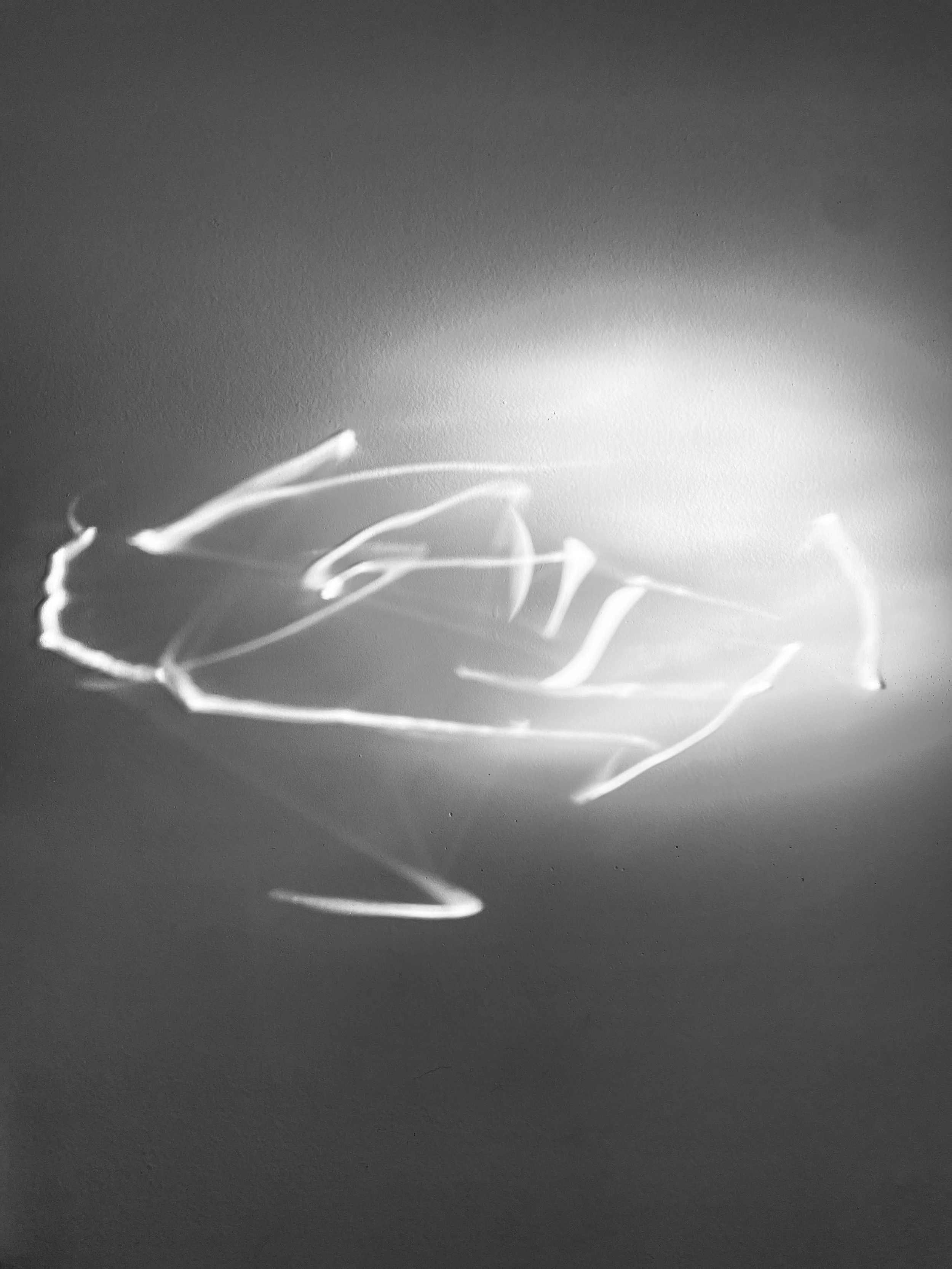
autosurrealism is a neuroqueer methodology and artistic practice exploring altered states, embodiment, and the strange as sites of self-authorship and collective becoming.
…
autosurrealism is a self-orientation beyond realism: a state of being and a praxis toward the strange. It is a philosophical, ideological, and creative methodology that centers the weird, the excessive, and the non-normative as sites of knowledge and transformation. Within this framework, an autosurrealist is any bodymind that engages ideas, systems, and practices which actively neuroqueer the self.
Drawing inspiration from avant-garde art movements and the aesthetic and conceptual ethos of surrealism, autosurrealism repurposes surrealism’s tools—automatism, dream logic, and the irrational—toward embodied, lived inquiry. Where classical surrealism sought access to unconscious truth through artistic disruption, autosurrealism locates this disruption within the bodymind itself, particularly neurodivergent bodyminds whose modes of perception, sensation, and expression already expand beyond normative reality.
autosurrealism treats stimming, improvisational movement, sensorial exploration, and imaginal encounter as forms of psychic automatism. These practices are not aesthetic gestures, but methods of inquiry through which knowledge emerges from sensation, affect, image, and movement rather than abstraction or mastery. Altered states—whether arising through movement, attention, or shifts in consciousness—are approached as opportunities for creative divergence, self-authorship, and reconfiguration beyond the neuronormative paradigm.
The methodology is process-oriented and relational. It privileges emergence over outcome, attunement over control, and multiplicity over coherence. autosurrealism asks how the bodymind might author itself differently when released from the demand to appear normal, legible, or productive, and how such re-authoring might contribute to collective, cultural, and ecological forms of kinship.